

For many suburban Host Families, driving is one of the biggest practical considerations when choosing an Au Pair. Between school drop-offs, extracurricular activities, playdates, and errands with the children, reliable transportation can make a significant difference in a family’s daily routine. But how can you tell whether an Au Pair candidate is ready to drive your children safely?
Understanding an Au Pair’s driving experience, asking the right interview questions, how to search Au Pairs with driving experience, and creating a thoughtful driving plan after arrival can help you make an informed decision. This guide covers what to look for in an Au Pair profile and how to prepare your Au Pair for driving in the United States.
Understanding the Driving Section of an Au Pair Profile
It’s important to understand how an Au Pair’s driving experience is shown in their profile. Au Pairs answer a series of questions about their driving experience and they provide a copy of their current driver’s license.
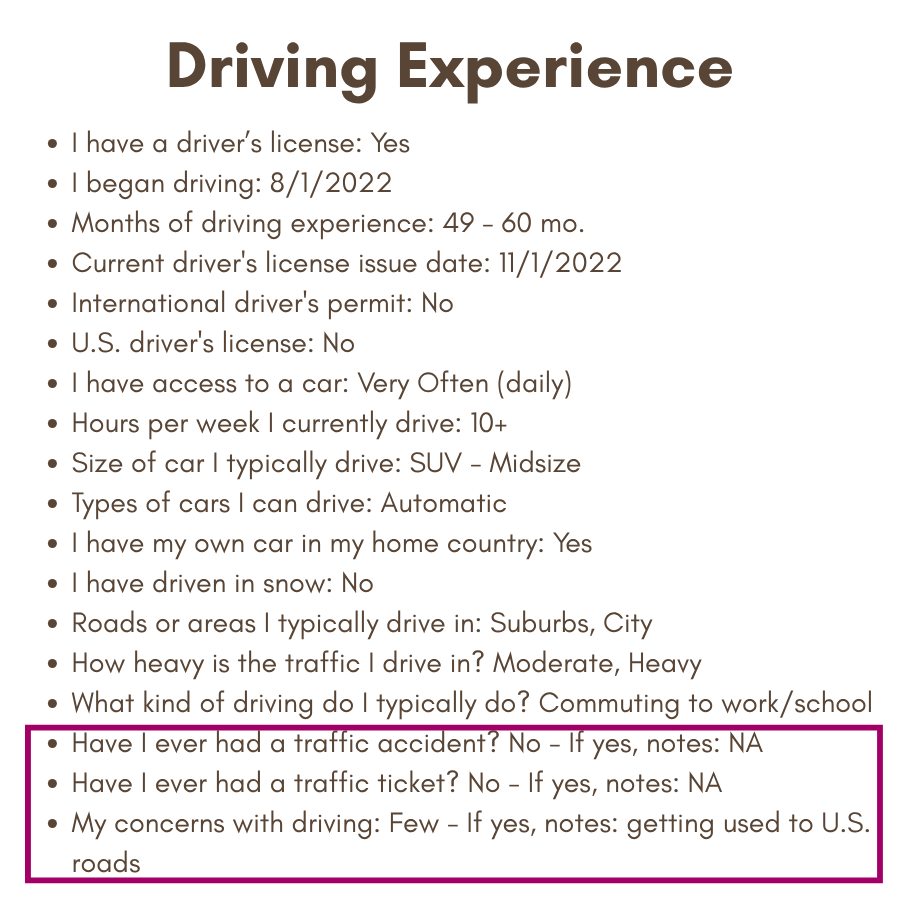
Below we explain how an Au Pair’s driving experience is shown in their profile, using an example from a real Au Pair profile, and how you can gauge their driving experience with the information provided.
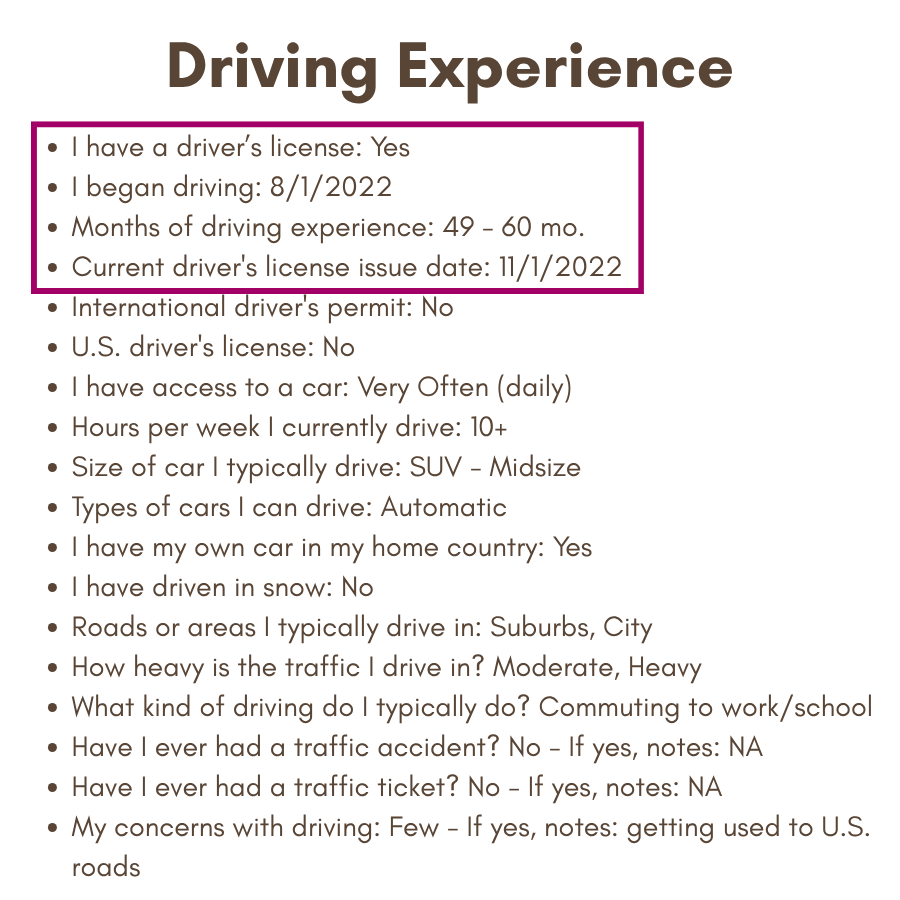
Months or Years of Driving Experience
Start by looking at how long the candidate has been driving, how long they have held a driver’s license, and how frequently they drive. Someone who has held a license for three years but rarely drives may have less practical experience than someone who drives daily after only one year.
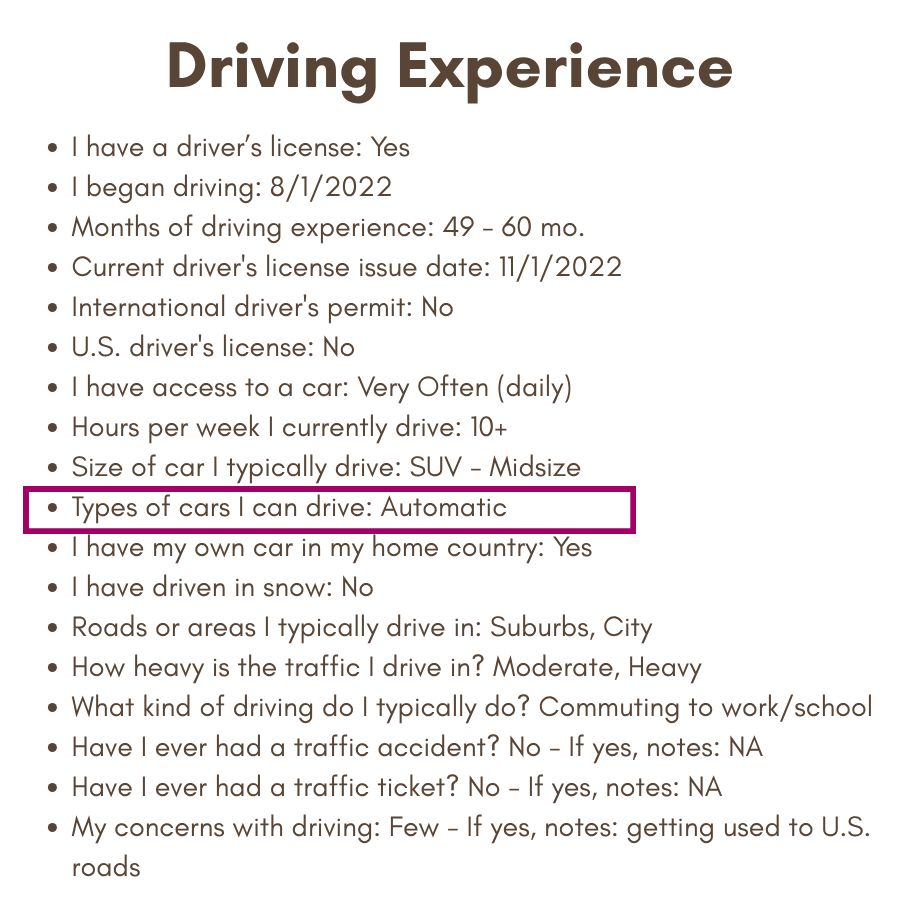
Manual vs. Automatic Transmission
In many countries, manual transmission vehicles are common. An Au Pair may have extensive driving experience but little or no experience with automatic vehicles, or vice versa. If your family owns an automatic car, ask whether the candidate has driven one before. If you have a manual vehicle, confirm that they can safely operate it.
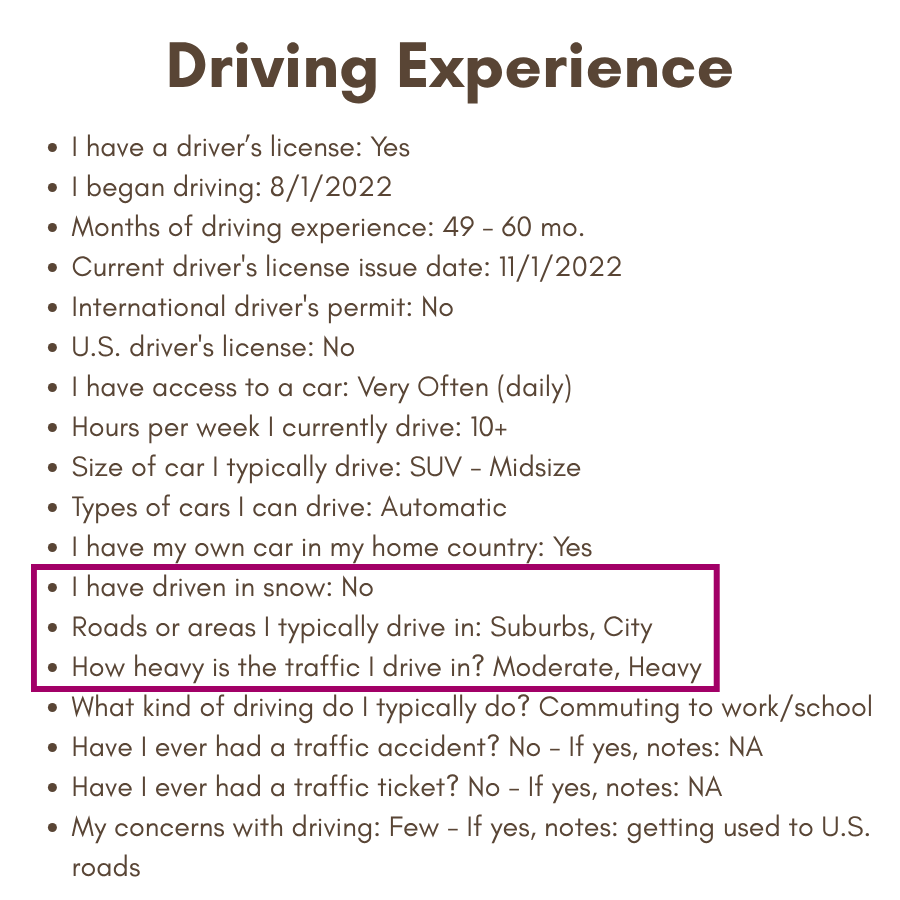
Traffic and Road Conditions
Driving in a busy city is different from navigating suburban neighborhoods, highways, and school pickup lines. Review the candidate’s experience with different traffic conditions, including congested roads and highway driving. If your family lives in a snowy climate, check if they have driven in winter conditions too.
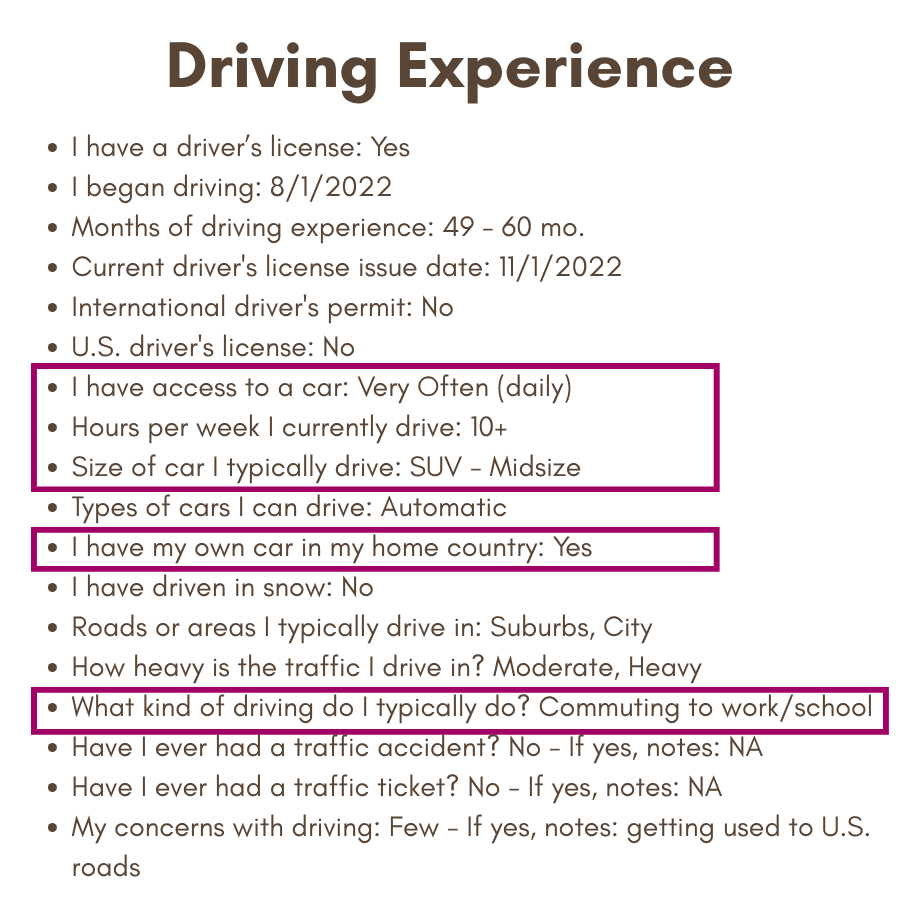
Driving Frequency and Vehicle Type
Look for details about how often the candidate drives and what types of vehicles they have operated. Regular experience with a family car may be more relevant to your needs than occasional driving practice. A candidate that has regular access to a car or their own vehicle usually have more opportunities to drive giving them more experience. Keep in mind that even an experienced driver will need time to adjust to unfamiliar roads, traffic laws, and vehicles in the United States.
Driving Concerns
Au Pairs also share their driving concerns and if they have ever been a driver in an accident or received a traffic ticket. It can be common for an Au Pair to have concerns about adjusting to driving in the U.S. or concerns about driving in uncommon weather than what they are used to. Use driving concerns and information about traffic incidents to determine how comfortable you feel with each candidates driving ability.
Can Au Pairs Drive in the United States?
Yes, Au Pairs are usually able to drive in the United States, provided they meet applicable licensing requirements and your family’s insurance and safety requirements. However, eligibility depends on the candidate’s driving credentials, the state where your family lives, and the terms of your auto insurance policy.
Before your Au Pair begins driving, verify the requirements with your state motor vehicle agency and insurance provider. An international driver’s license or permit does not automatically replace a valid license when state law requires one.
You should also confirm that your insurance policy covers your Au Pair as a driver. Never assume that a policy automatically covers an international visitor or a newly arrived household member.
Pay attention to how confidently and clearly the candidate explains their experience when asking driving-related interview questions. Strong driving skills involve more than years behind the wheel; they also require awareness, patience, responsibility, and good decision making.
Remember that an Au Pair may be nervous during an interview or have limited English fluency. Focus on the substance of their answers rather than speaking confidence alone.
Preparing Your Au Pair to Drive After Arrival
Even when a candidate has substantial driving experience, a gradual introduction to driving in the United States is essential. Keep in mind driving rules can greatly vary from country to country. Establish clear expectations before assigning regular transportation duties.
1. Schedule Practice Sessions
Begin in a quiet parking lot or low traffic neighborhood. Let your Au Pair become familiar with the vehicle’s controls, mirrors, blind spots, and parking features. Gradually introduce more challenging situations, such as highway driving, school zones, and busy intersections, as their skills develop. Consider professional driving lessons if additional support is needed.
2. Confirm State Licensing Requirements
Research your state’s rules for international drivers before your Au Pair drives independently. Requirements vary, and some states may require a state issued license after a certain period or under specific circumstances. Check with your state motor vehicle agency rather than relying on general advice.
3. Review Au Pair Car Insurance
Contact your insurance provider before your Au Pair drives the family vehicle. Ask whether the Au Pair must be listed on the policy, whether any restrictions apply, and what coverage is required. Host Families are responsible for the cost of car insurance, fuel, tolls, and parking fees as it pertains to childcare. Discuss costs associated with an accident or vehicle damage with your Go Au Pair Placement Coordinator directly.
4. Establish Clear Driving Rules
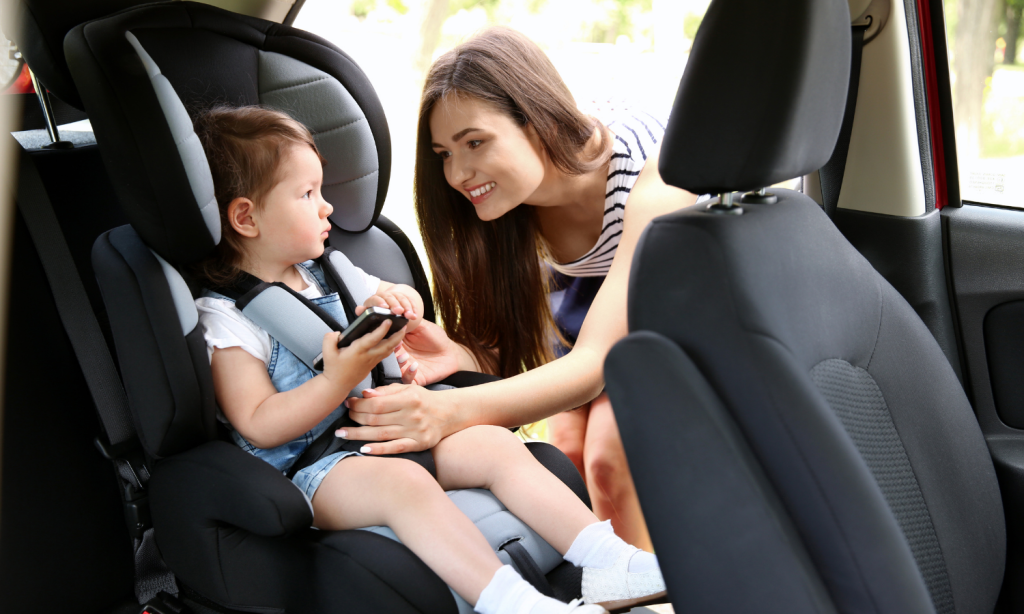
Review your family’s expectations for seat belt use, phone restrictions, passenger limits, navigation, vehicle cleanliness, and reporting accidents or damage. Explain your rules for transporting children, including car seat installation and use. Make sure your Au Pair understands that child safety takes priority over keeping to a schedule.
5. Carpool Duty
Host Families are required to limit an Au Pair’s driving responsibilities to only the children in their program agreement. Au Pairs should not be expected to transport or supervise children they are not contractually responsible for, as this can create additional responsibilities and potential safety and liability concerns.
Finding the Right Au Pair for Your Family
Driving can be an important part of a successful Au Pair match, especially for families who depend on transportation throughout the week. By reviewing driving experience carefully, asking thoughtful interview questions, and providing practice and guidance after arrival, Host Families can make a more informed decision.
The right candidate does not necessarily need the most years of driving experience. Instead, look for someone who demonstrates responsible habits, a willingness to learn, and a commitment to safety.
With clear communication and a gradual approach, your family can help your Au Pair become more comfortable behind the wheel while building confidence in their new role. A little preparation can go a long way toward making school drop-offs, activities, and everyday family transportation safer and less stressful.